Introductory image - 12 tips for a really good night's sleep

20.08.2025

12 tips to help you sleep well

Discover our 12 scientifically-validated tips for getting a good night's sleep and falling easily into the arms of Morpheus.

Reading time: 7 minutes

Sleep, a whole story

For many of us, it can sometimes be difficult to find sleep easily after a hard day's work, not to mention social and family obligations. Are you currently one of these people? Don't give up hope!

We're here to give you 10 effective sleep tips, based on research from the CHUV sleep investigation center.
1. How long does it take for most people?

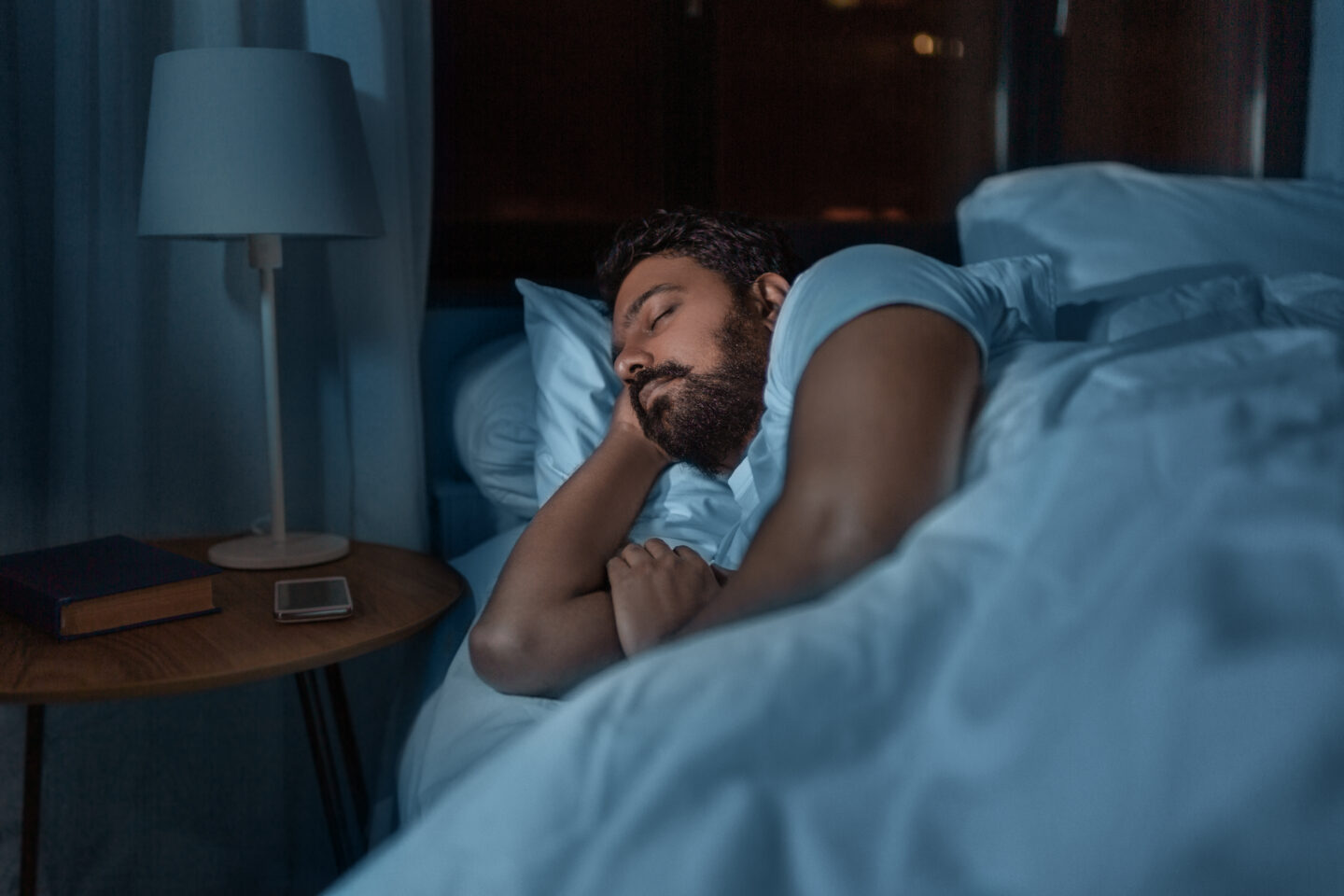
To begin with, your sleep is subject to a circadian rhythm (24-hour biological rhythm) that varies from person to person. You need to respect yours, with constant bedtimes and, above all, constant wake-up times.


Although it's a good idea to go to bed at hours that don't vary too much, it's best to feel a certain degree of tiredness. An optimal sleep duration for most people is between 7:00 and 9:00 a.m. (time spent sleeping, not time spent in bed).

2. What is the ideal time to fall asleep?

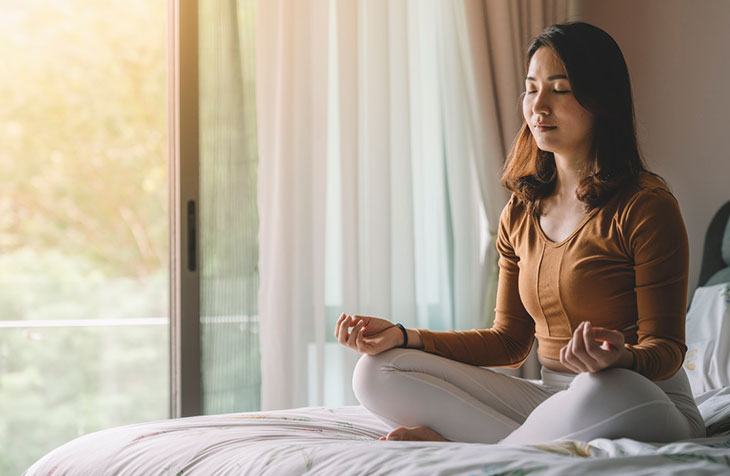
Are you slow to fall asleep? The ideal, and considered normal, is to fall asleep in less than 30 minutes. If this isn't the case for you, you can learn to do so through the regular practice of meditation, cardiac coherence (very useful!) or hypnosis, all of which have proved their worth.

3. Your bed, a sacred sanctuary

Above all, remember to restrict the time you spend in bed to two things: your sleep and sexual activity.


In fact, it is useful to separate the bed from any activity that is not compatible with sleep, such as watching television, using a smartphone or eating.

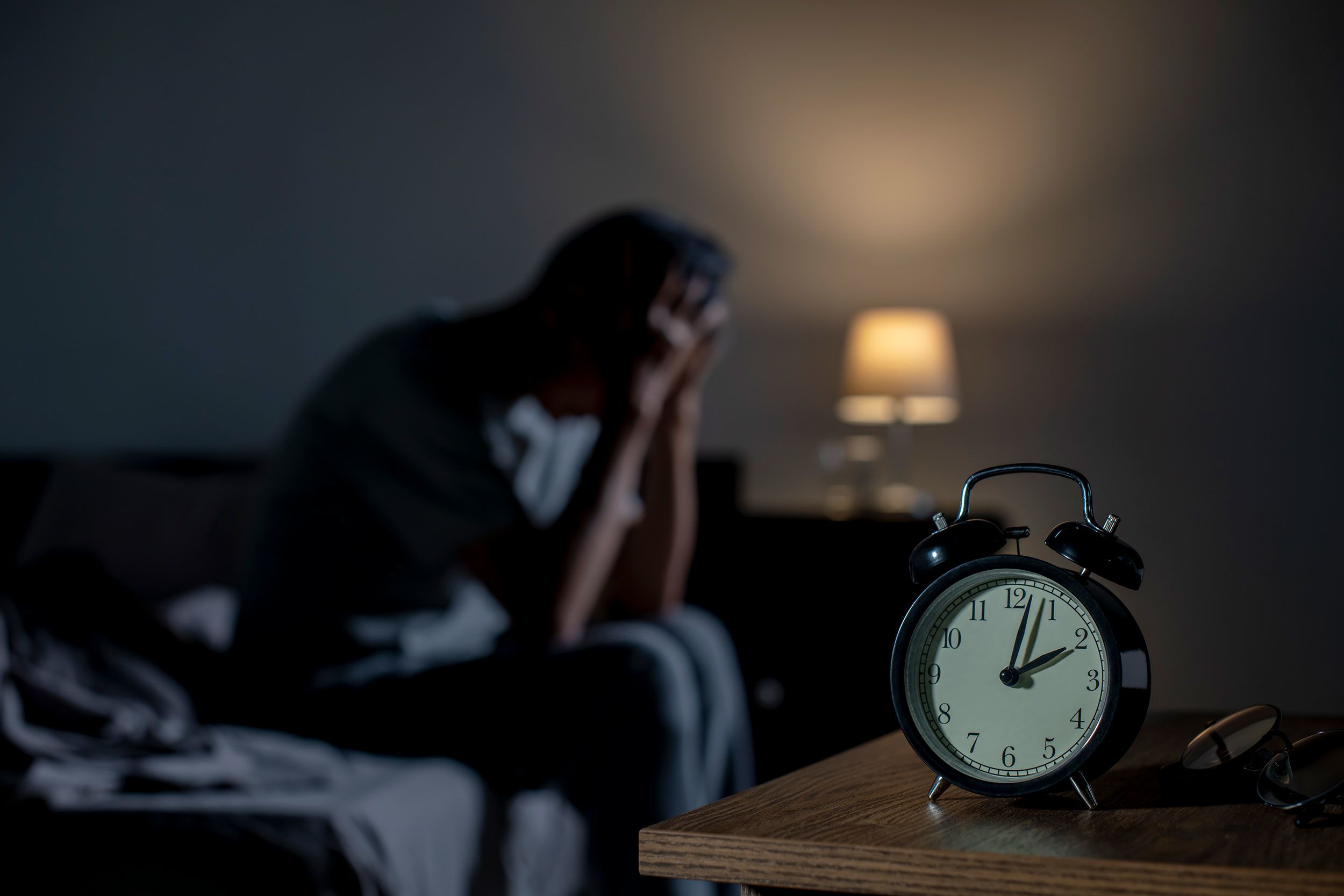
4. If you can't get back to sleep, get out of bed

You wake up and can't get back to sleep? After 15 minutes, it's best to get up, leave your room and keep yourself occupied until your next sleep cycle arrives, with a few relaxing activities (reading, music, etc.).


Sleep is all the more elusive the harder we try to find it, and the greater our nervous tension.

5. Avoid naps

Avoid naps or periods of drowsiness during the day. By following this advice, you won't fragment your sleep into several periods and you'll consolidate your night.

6. Exercise, but not immediately before bedtime

Physical exercise is recommended, but remember to finish at least 3 hours before going to bed. This is incompatible with quality sleep, as your body temperature naturally drops in preparation for falling asleep.


A walk, on the other hand, is highly recommended. You should also avoid hot baths just before going to bed, and intense intellectual activity late into the night.

7. Eat lightly and at regular times

It's also a good idea to keep mealtimes consistent, and avoid large or fatty late-night meals. Not eating enough is also unwise: we can be awakened by a late-night craving and head straight for the fridge!

8. Avoid foods that act against sleep

Avoid stimulants after 2:00 p.m., such as coffee, cola drinks, cigarettes and alcohol. While alcohol is used by some people as a sleep inducer, it causes a poor-quality, unrefreshing night's sleep and destructures your sleep over the long term.


Instead, consider a tea, such as lime blossom, valerian or chamomile, renowned for their soothing, anti-stress properties.

9. Structure your environment

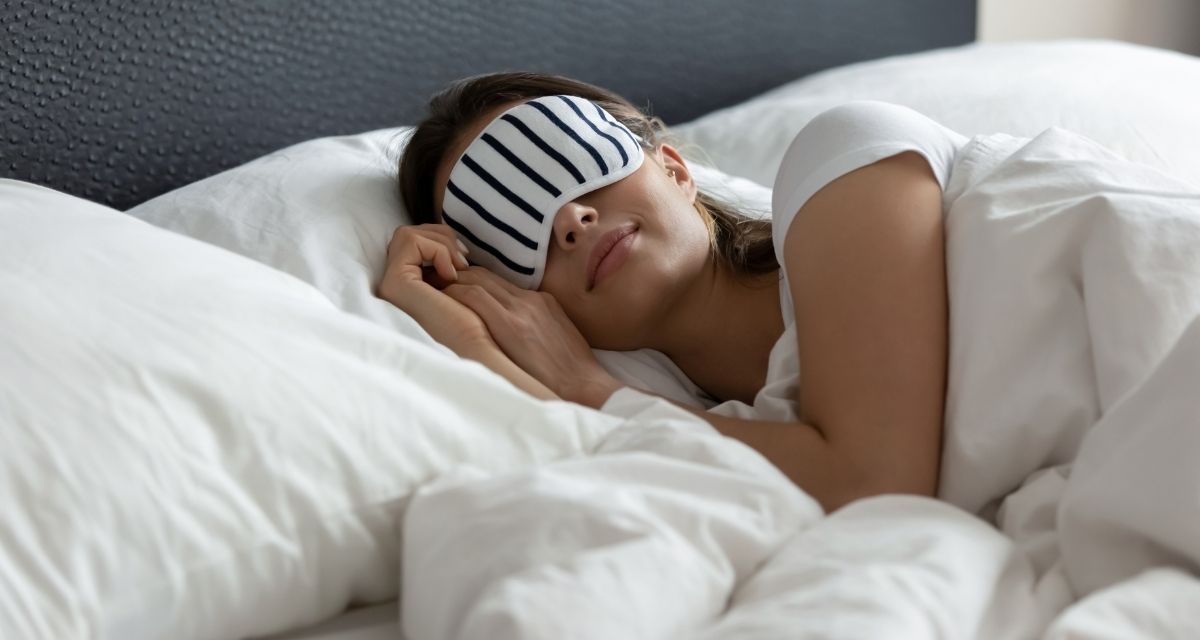
Think about developing the best environmental conditions for your sleep hygiene - avoid noise, favor total darkness (use opaque curtains or a mask) and set your thermostat to an optimal temperature, between 15 and 22 degrees.


The body needs to lower its temperature to fall asleep comfortably.

10. Relax your mind

You should also avoid "rumination" in bed. Trying to solve your problems before going to sleep can only lead to anxiety and nervous tension, which can make it difficult to fall asleep, and thus cause insomnia. Learn to relax before going to bed with cardiac coherence or hypnosis.


You can also write down everything that's bothering you in a notebook to clear your mind and get ready for bed: And it works!

11. Avoid sleeping pills

Above all, avoid self-administration of sleeping pills. Only take them on medical advice, bearing in mind that it's best to use them in low doses - especially in the elderly - for a very limited time, sometimes in interrupted series, and that you shouldn't stop taking them abruptly, but gradually reduce the doses, in agreement with your doctor.

12. Focus on quality, not quantity

Laboratory recordings have shown that we sleep more than we think, and that the duration of nocturnal wakefulness is often overestimated.


It is preferable to seek well-organized, continuous sleep rather than prolonged sleep.

We've come to the end of our journey! Now you're ready for a good night's sleep!

A final word of advice: be easy on yourself. We're often far too hard on our bodies or our heads. Give yourself time and try to incorporate these 12 tips little by little into your nights.

If you'd like to discover the 7 little-known reasons why sleep is so important, take a look at our article!